
Plugin installed
- XML sitemap generated
- Unique titles and descriptions per page
- Duplicate archives and attachments out of the index
- Plugins reviewed and reduced
- Mobile speed optimized
- Structured data validated
SEO by platform · WordPress
SEO for WordPress fixes what usually holds back a site built on this platform: too many plugins, heavy themes and page builders, archive pages that duplicate content and an SEO plugin that is installed but poorly configured. At Pivoti Labs we work on your current installation, without forcing you to change platforms.

WordPress is one of the platforms with the most room for SEO, precisely because it lets you change almost everything. That same freedom is what creates the most common problems.

Every plugin adds scripts, styles and database queries. Twenty active plugins for things the theme or the code already handled slow the site down.
Elementor, Divi and other builders make design easier, but they generate a lot of code. Without care, the page loads slowly on mobile.
Tag, author, date and attachment pages that Google indexes and that repeat the content of the important pages.
Yoast or Rank Math installed, but with repeated titles, empty meta descriptions and a sitemap that includes pages that should not be there.
We work on your current installation. If something has no reasonable fix within the theme or builder you use, we say so clearly.
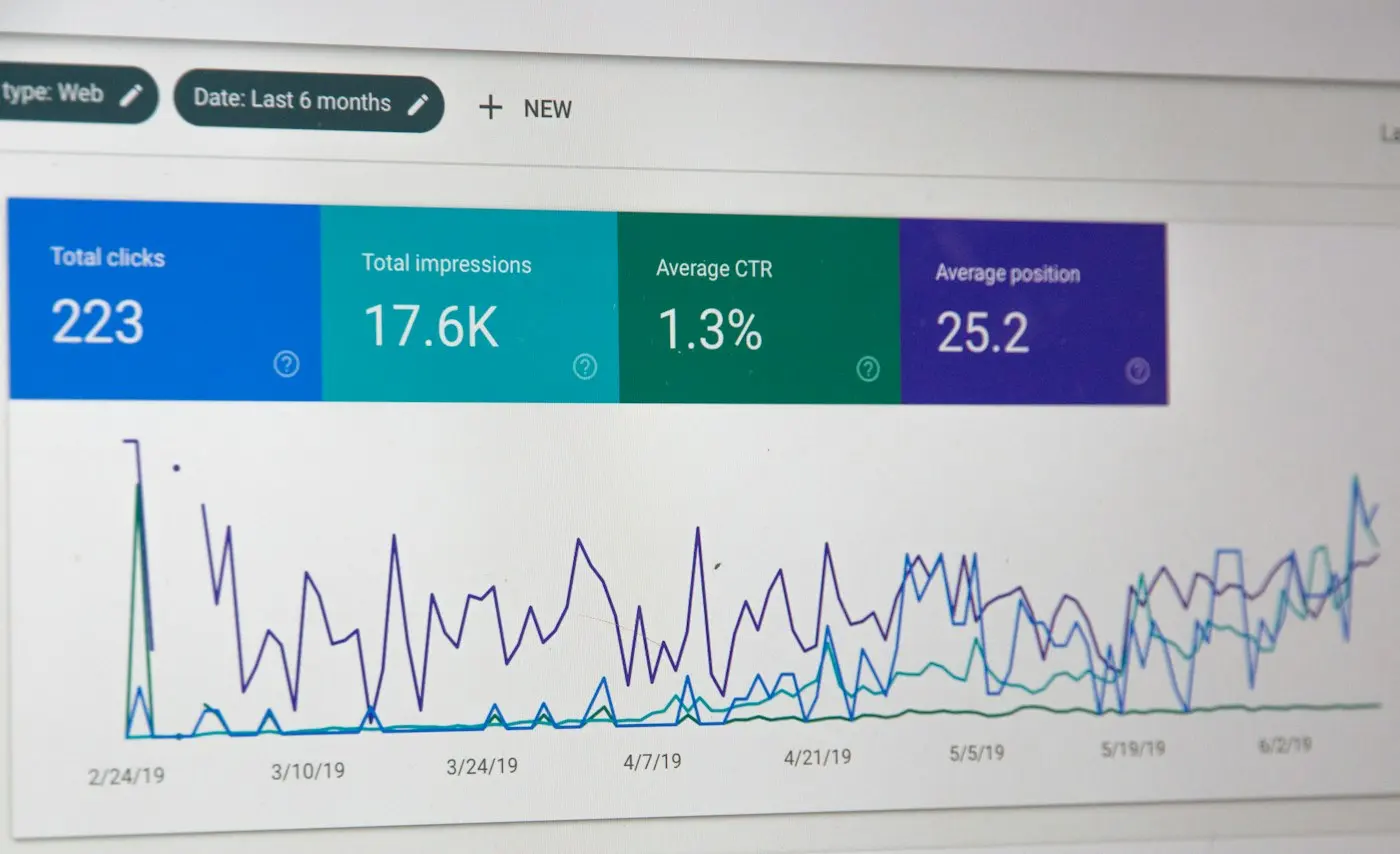
We review every active plugin: what it does, how much it weighs and whether the theme or the code already covers its function. Only what adds value stays.
Caching, images in lightweight formats, lazy loading and third-party scripts under control, measured with PageSpeed Insights before and after.
Tags, authors, dates and attachments that add nothing stay out of the index, and the sitemap includes only the pages that should rank.
Yoast or Rank Math with unique titles and meta descriptions, correct canonicals and consistent templates for each content type.
Schema.org for organization, services, articles and FAQs, without duplicating the markup the theme or the plugins already generate.
Clean permalinks, categories that make sense and internal links pointing to the pages you want to rank.
The plugin is a tool. What decides rankings is how the whole site is configured.
We compare ways of working, not named providers.
First we clean, then we organize and finally we optimize.
Diagnosis
We review plugins, theme, mobile speed and the Search Console pages report to see what is indexed and what is not.Plugin inventoryIndexing reportSpeed measurement
Cleanup
We deactivate what is not needed, take the archives that duplicate content out of the index and adjust the sitemap. We test every change before publishing it.Fewer pluginsArchives out of the indexClean sitemap
Optimization
We configure the SEO plugin, the structured data and the speed, and adjust titles and content on the key pages.Unique titlesValidated schemaCore Web Vitals
Follow-up
We verify in Search Console that Google received the changes and measure how the pages we worked on evolve.Validation in Search ConsoleMonthly reportNext steps
Yes. WordPress lets you control practically everything that matters for rankings: URLs, titles, meta descriptions, sitemap, structured data and speed. Many sites that rank very well on Google are built on WordPress. The problem is not the platform, but that how easy it is to install themes and plugins makes the site accumulate weight and contradictory settings over time.
That is why SEO for WordPress almost always starts by cleaning before building: removing what is not needed, organizing what gets indexed and only then optimizing the content. It is the same principle as the technical SEO service, applied to the particularities of the platform.
WooCommerce runs on WordPress, so everything above applies. But a store adds problems of its own: filters that generate thousands of URLs, product variations, out-of-stock products and descriptions copied from the manufacturer. We explain them on the SEO for WooCommerce page.

It is almost never necessary. A well-configured WordPress site can rank as well as a custom-built one. Migrating makes sense when the site needs features the platform handles poorly or when the theme is so loaded that fixing it costs more than rebuilding, and in that case the migration must be planned with redirects so rankings are not lost. We evaluate it with data in the SEO audit.

Two plans with published prices. The final figure depends on the scope of your project; these are the starting points. Prices for our other services are on the pricing page.
From4.000.000COP / month · VAT included
A plan to start optimizing your products and services on the platforms where people look for you: Google Business Profile, YouTube, LinkedIn and ChatGPT, among other AI assistants. The goal is to make your website your best sales tool on Google and on the other digital platforms.
Includes:
Most popular
From6.000.000COP / month · VAT included
Beyond SEO, we build paid advertising strategies on Meta, Google Ads, TikTok and YouTube, plus PR and visibility strategies that let you reach a wider audience and receive much better qualified leads for your business.
Includes everything in the standard plan +
The diagnoses we publish show how we work on indexing and speed, whatever the platform.
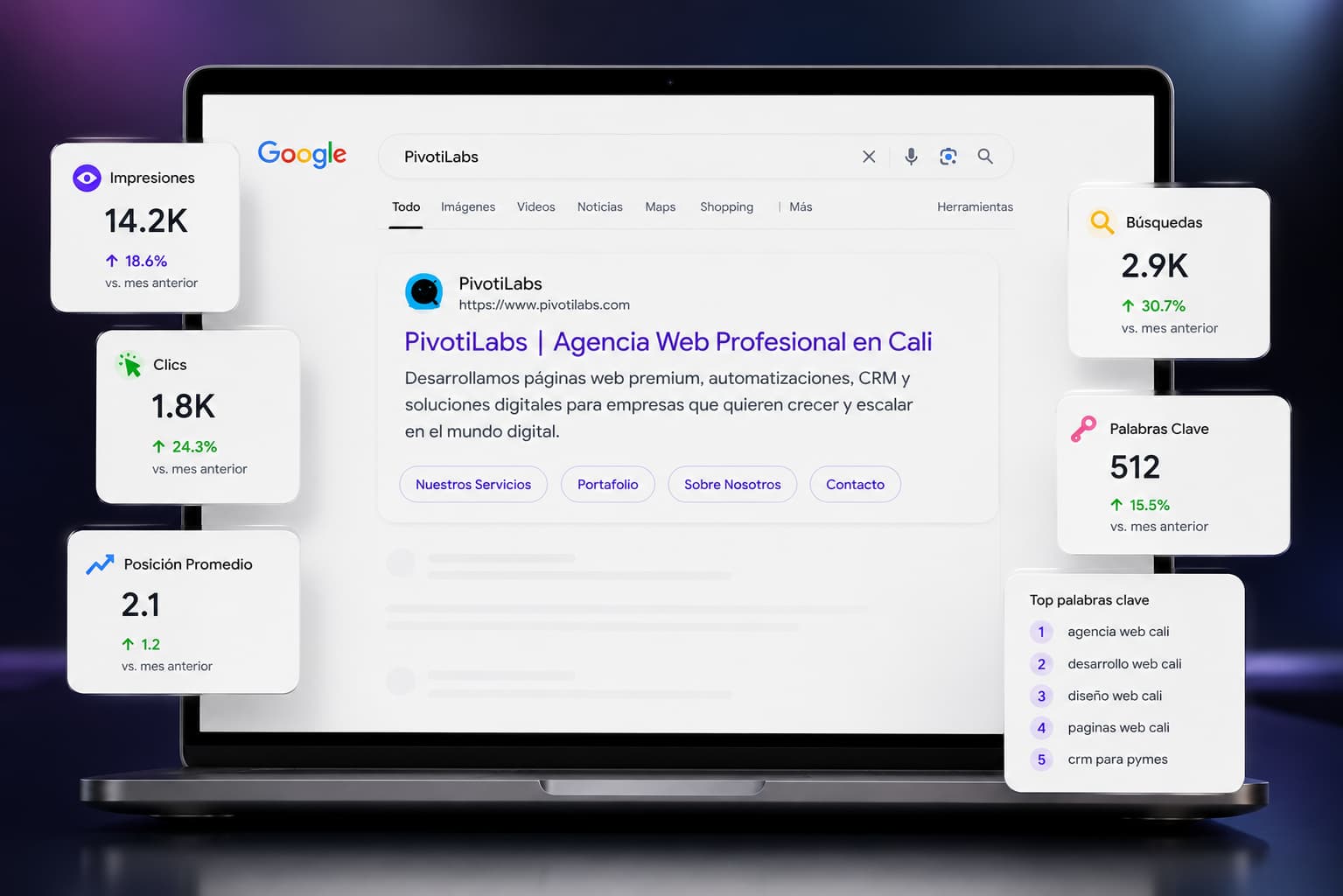
Only 4 out of 20 websites of companies in Cali had a working sitemap. What else we found and how it affects rankings. (In Spanish.)
The step by step to diagnose why Google crawls pages but does not index them, and what gets fixed in the code. (In Spanish.)
Both do the essentials well. What decides the result is not the plugin you choose, but how it is configured: unique titles, a clean sitemap and duplicate archives out of the index.
No. We test the changes before publishing them and, when the site allows it, on a staging copy. Risky changes are made at low-traffic hours.
The most common causes are too many plugins, a heavy theme or page builder, unoptimized images and hosting with little capacity. Measuring with PageSpeed Insights shows which one weighs the most in your case.
Yes. We work on your current theme and builder. If something in the theme stands in the way of an important fix, we explain it and give you options.
Any of the SEO plans applies to WordPress sites; the difference is in the scope. The figures are on the pricing page.

Collections, duplicate products, apps that slow the store down and what can be changed in the theme.

Categories, filters, variations and product pages of a store built on WordPress.

What Wix lets you configure, how the platform works and how to get the most out of it for rankings.
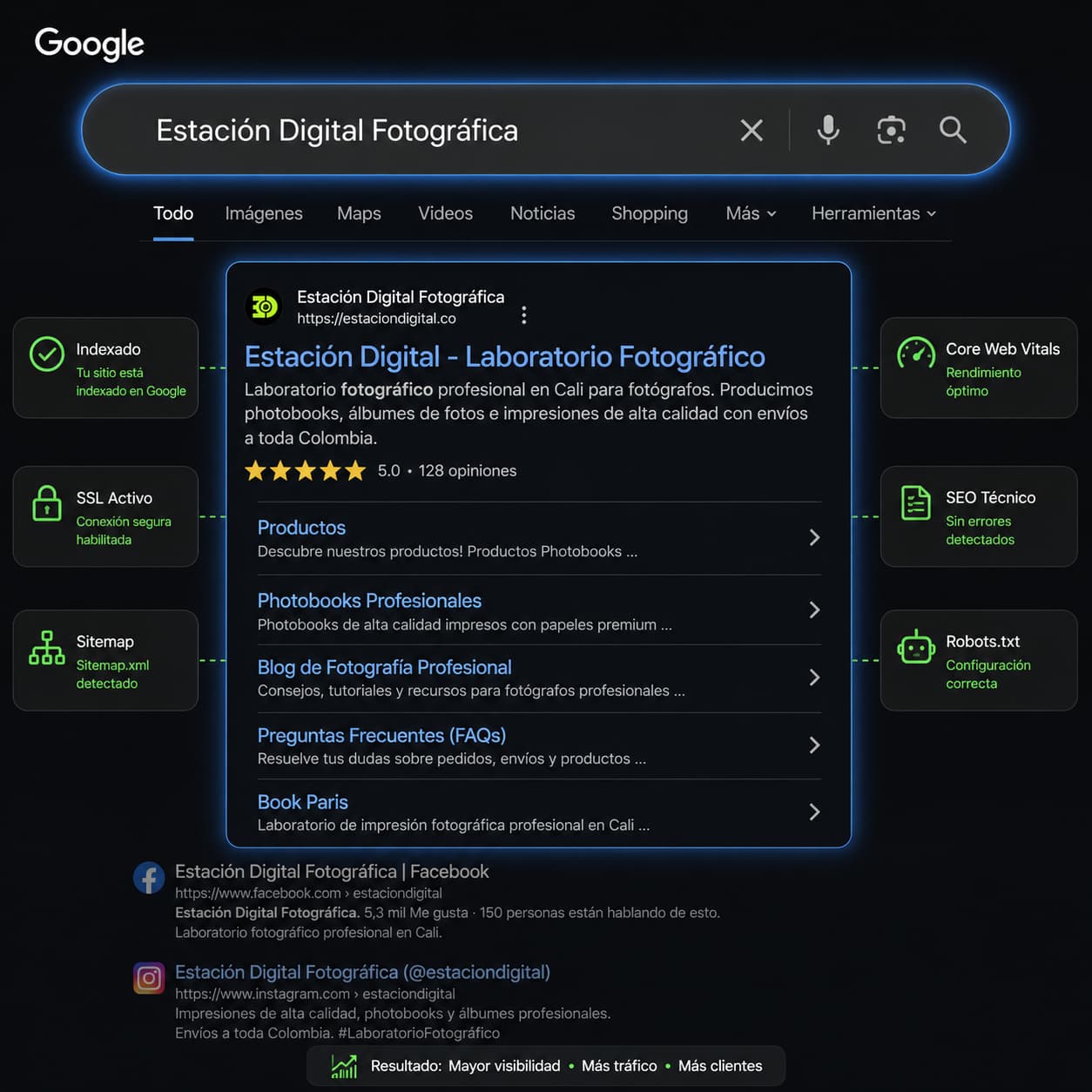
Indexing, canonicals, structured data and speed, fixed in the code of the site.
We'll run a free SEO diagnosis: we measure your current rankings, find what is holding you back and tell you what can be fixed.
Request a Consultation