



SEO services · International SEO

International SEO to rank your site in several countries and languages

International SEO prepares your site to compete in more than one country or language: a clear URL structure, correct hreflang tags, keywords researched for each market and content that is adapted, not just translated. That way Google shows each user the version meant for them.

Globe on a deskInternational SEO
  • URL structure by country or language
  • Error-free hreflang and x-default tags
  • Keywords researched in each market
  • Localized content, not a literal translation
The problem

A multilingual site that Google does not know who to show to

Having the content translated is not enough. Without the right signals, the versions compete with each other or show up in the wrong country.

World map
  1. Versions that compete with each other

    The version for Mexico shows up in Colombia and the one for Spain in Argentina. Without hreflang, Google decides on its own which variant to show.

  2. Literal translation

    A keyword that works in one country may not be searched in another. Spanish in Colombia, Mexico and Spain does not use the same terms.

  3. Duplicate content across variants

    Nearly identical pages for different countries with the same language, which Google treats as duplicates if they are not marked properly.

  4. Hreflang with errors

    Tags with no return link, misspelled language codes or URLs that redirect: common mistakes that cancel the setup.

Translating the site is not the same as doing international SEO

Translation is one part. International SEO makes sure each version ranks in its market.

Translated siteInternational SEO by Pivoti Labs
Content available in another language
URL structure by market
Reciprocal hreflang and x-default
Keywords researched by country
Content adapted to the market
Tracking by country in Search Console

We compare ways of working, not named providers.

What is included

The work areas of the international SEO service

Every decision depends on how many markets you want to serve and whether or not they share a language.

  • Laptop with a web analytics dashboard

    URL structure

    Subfolders, subdomains or country domains: we choose the structure based on your markets, your budget and how authority is distributed.

  • Hreflang

    Reciprocal hreflang tags on every page and in the sitemap, with an x-default version for users from other countries.

  • Research by market

    Keywords researched in each country and language, with their local volume and competition, not translated from Spanish.

  • Localization

    Content adapted to the currency, units, examples and vocabulary of each market.

  • Signals by country

    Contact details, prices and local references that confirm to Google which country each version is for.

  • Measurement by market

    Search Console and Analytics configured to see the performance of each country and language separately.

The Earth at night, with city lights
Definition

What is international SEO?

International SEO is the work that makes a single site rank in several countries or languages, with Google showing each person the version meant for them. It rests on three decisions: how the site is organized by market, how Google is told the relationship between versions and what content each market needs.

An international SEO strategy applies both to Colombian companies selling abroad and to companies that want to serve English-speaking customers from Colombia. In both cases, the most common mistake is translating the site and assuming Google will understand the rest.


Monitor showing the code and design of a web page
Our own site

How do we apply it on pivotilabs.com?

Our site has a Spanish version and an English one, organized in subfolders: Spanish at the root and English under /en. Each page uses hreflang to mark its equivalent in the other language plus an x-default version, and the sitemap declares the same relationships. It is the setup we recommend when a site serves two languages with a single domain.

It is also a good example of doing it properly: when a page has no equivalent in the other language, as with our blog articles, none is made up. A page with no version in the other language carries no hreflang pointing to a page that does not translate it.

Team gathered around a table with their laptops
Before starting

What should be decided before expanding?

These questions define the structure and the scope of the project:

  • Which countries or languages do you want to rank in first?
  • Do the markets share a language, like Colombia and Mexico?
  • Do prices, products or terms change by country?
  • Who is going to maintain the content of each version?
  • Does your platform allow managing several versions of the site?
  • Is there real demand in those markets for what you sell?

How we work on international SEO

Four steps, from the choice of markets to measurement by country.

  1. Markets

    We define which countries and languages to serve first, with search and competition data from each market.

    • Prioritized markets
    • Demand by country
    • Local competition
  2. Architecture

    We choose the URL structure and design how the versions of the site relate to each other.

    • URL structure
    • Equivalence map
    • Hreflang plan
  3. Implementation

    We set up hreflang, sitemaps, canonicals and signals by country, and adapt the priority content for each market.

    • Validated hreflang
    • Sitemaps by language
    • Localized content
  4. Measurement

    We follow in Search Console the performance of each market and fix the pages that show up in the wrong country.

    • Report by country
    • Hreflang errors
    • Next steps
Verifiable proof

The method, applied to our own site

You can review the language setup and the technical diagnosis we publish.

01

pivotilabs.com in Spanish

Spanish version at the root of the domain, with reciprocal hreflang and x-default on every page that has an equivalent.

How to recover unindexed articles
02

How to recover unindexed articles

The step by step to diagnose why Google crawls pages but does not index them, and what gets fixed in the code. (In Spanish.)

Pricing

How much does international SEO cost?

It depends on how many markets and languages you want to serve, on whether the site already has versions and on how much content has to be adapted. That is why we quote it per project, after the SEO audit, rather than as a fixed plan.

As a reference, the monthly SEO plans are published on the pricing page; an international project usually starts from one of them and adds the structure and localization work for each market.

Frequently asked questions

What is international SEO?

It is the work that makes a site rank in several countries or languages, with Google showing each user the right version, through URL structure, hreflang, keyword research by market and localized content.

What is hreflang?

It is a tag that tells Google a page has versions in other languages or for other countries, and which one corresponds to each. It must be reciprocal: every version points to the others.

Is a domain per country better than subfolders?

For most companies, subfolders on a single domain are the most practical option: they concentrate authority and are easier to maintain. Country domains make sense when each market works almost like a separate company.

Is translating the content enough?

No. Keywords, currency, examples and even the way people search change by country, even between countries that share a language.

How long does it take to rank a site in another country?

It depends on the competition in each market and on the authority your site has there. A new version usually behaves like a new site in that country and takes months to gain visibility.

Other SEO services

Other services to rank your site

Magnifying glass on a laptop keyboard
01

SEO audit

A diagnosis of your site using your own Search Console data: what is holding back your rankings and what to fix first.

People working at a meeting table
02

SEO consulting

Expert judgment and a prioritized plan for your team or your provider, led by the founder of Pivoti Labs.

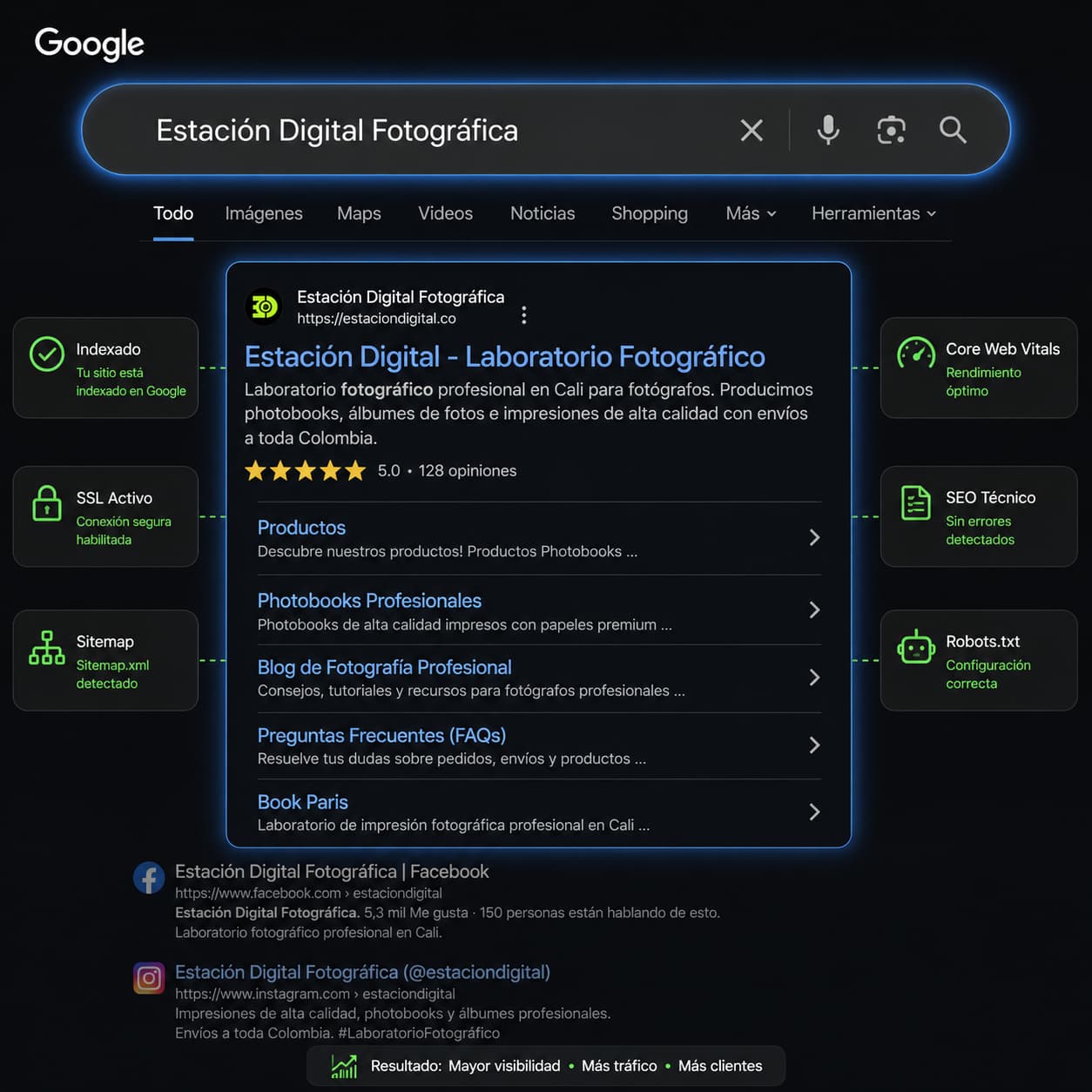
Google result of an indexed site, with active SSL, sitemap and good Core Web Vitals
03

Technical SEO

Indexing, canonicals, structured data and speed, fixed in the code of the site.

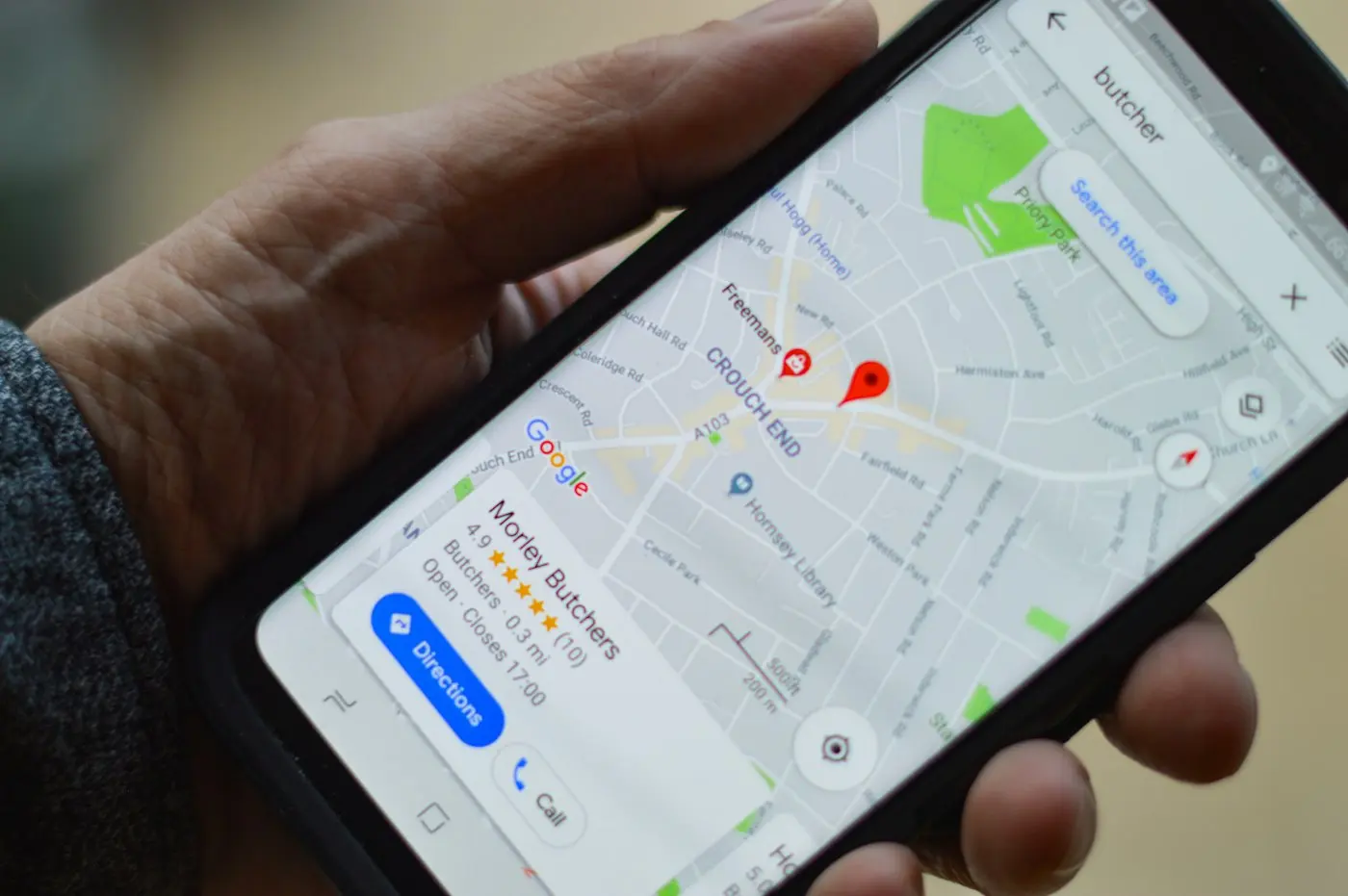
Phone showing a map and a business listing
04

Local SEO

Google Business Profile, reviews and local signals to show up on the map and in searches in your city.

Network of connected dots
05

Link building

Authority through links and mentions from sites relevant to your industry, with no link buying.

Ready to show up first on Google and in AI answers?

We'll run a free SEO diagnosis: we measure your current rankings, find what is holding you back and tell you what can be fixed.

Request a Consultation